Embodiment of a Happening: Home
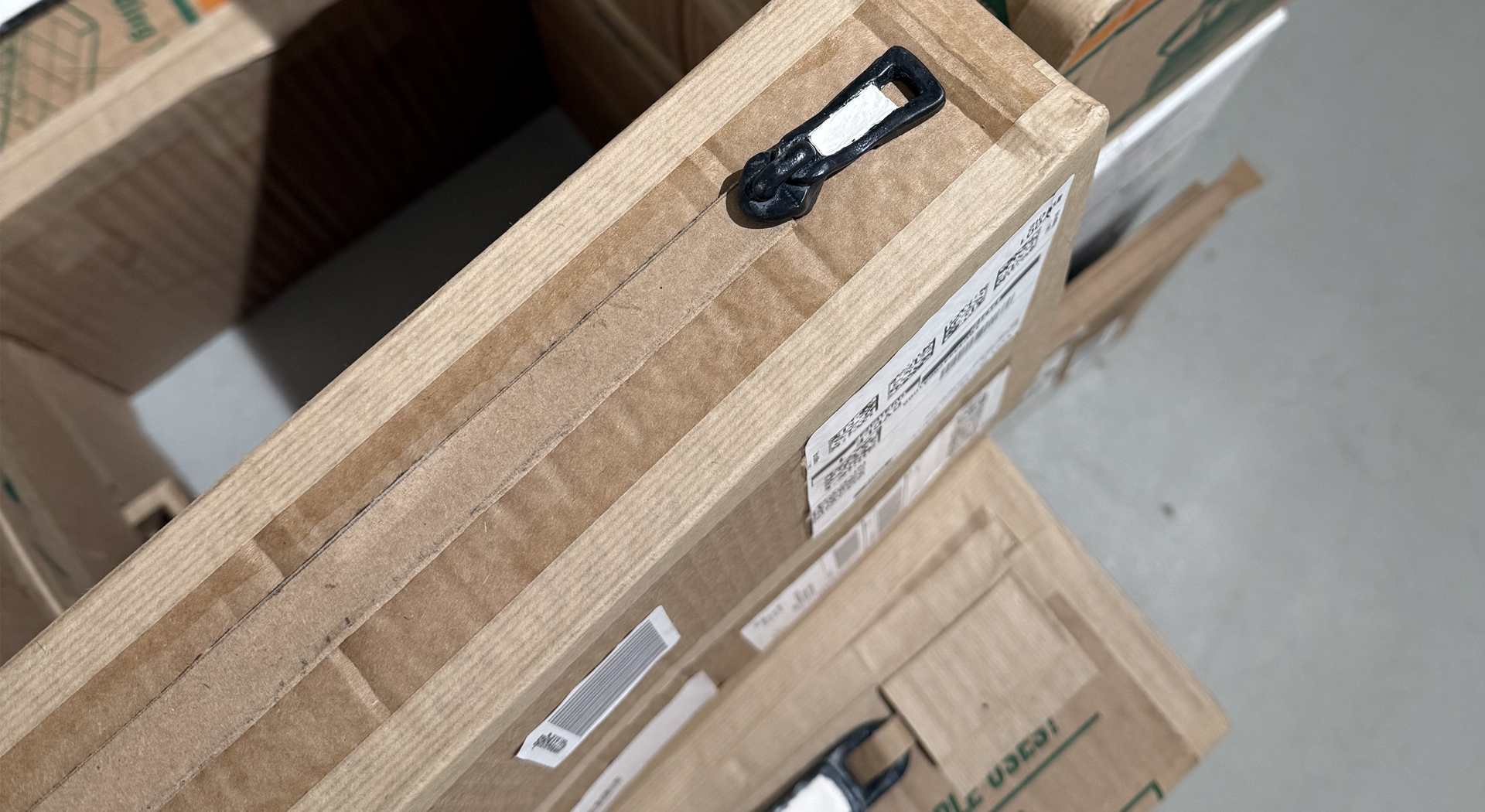
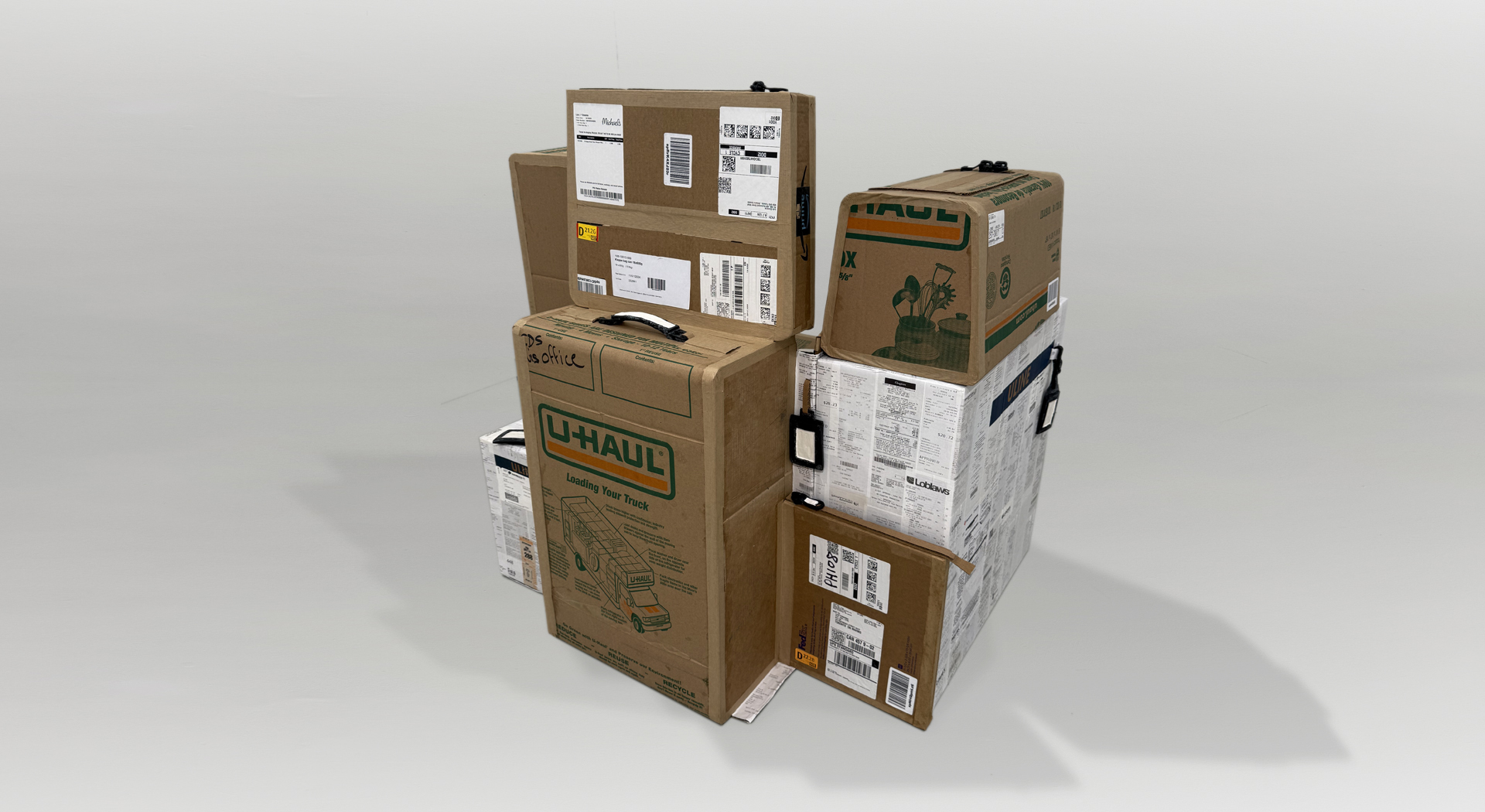
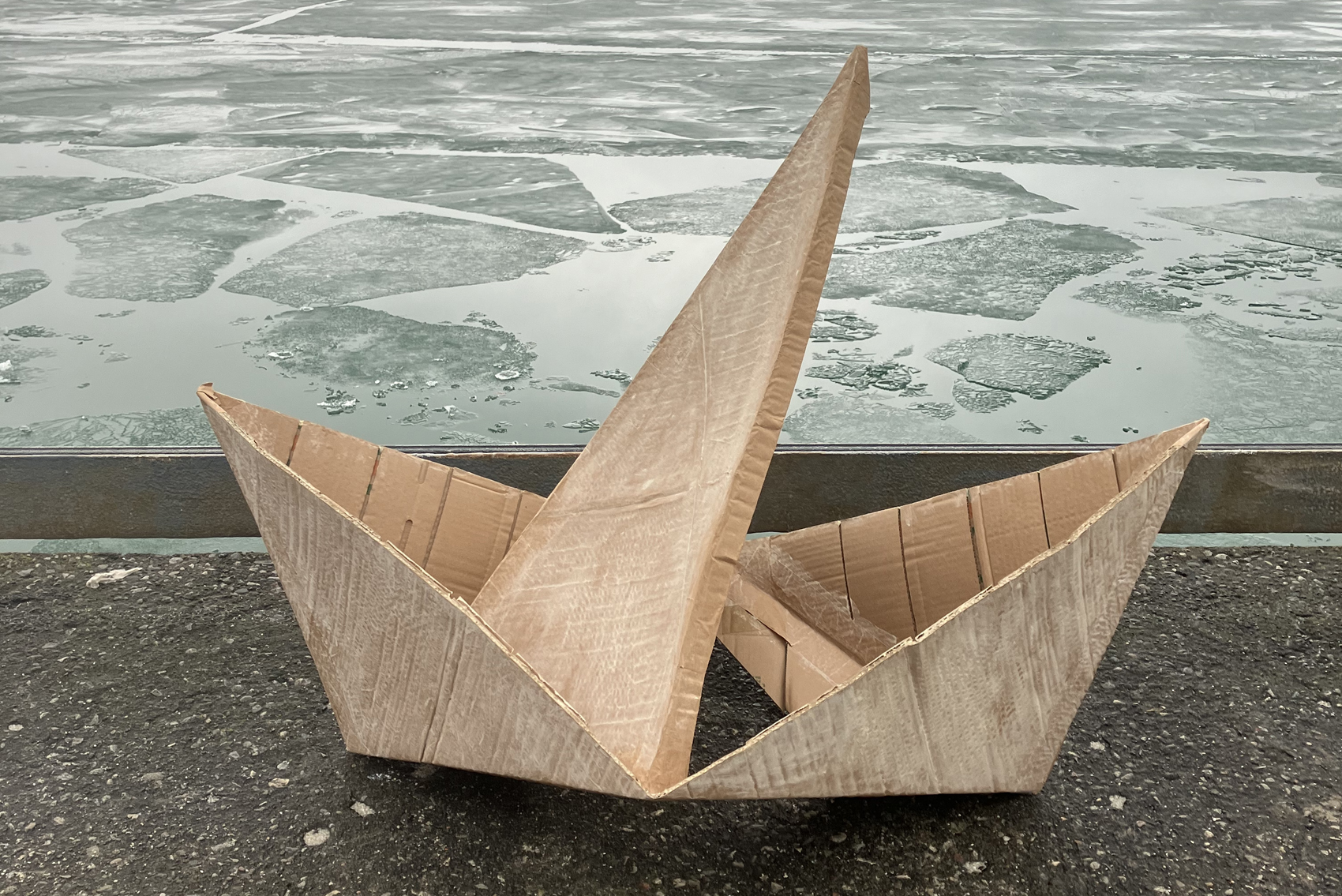
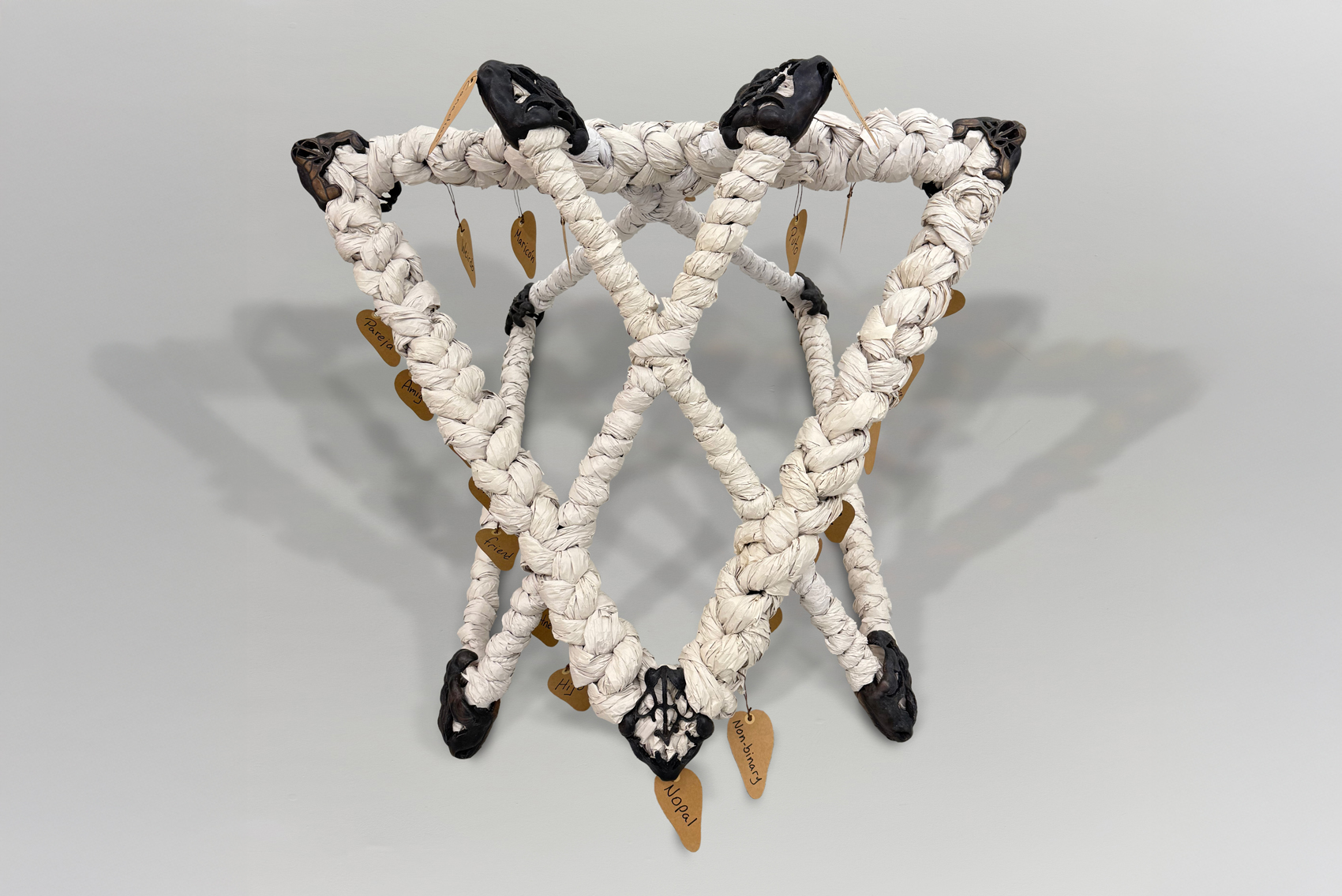
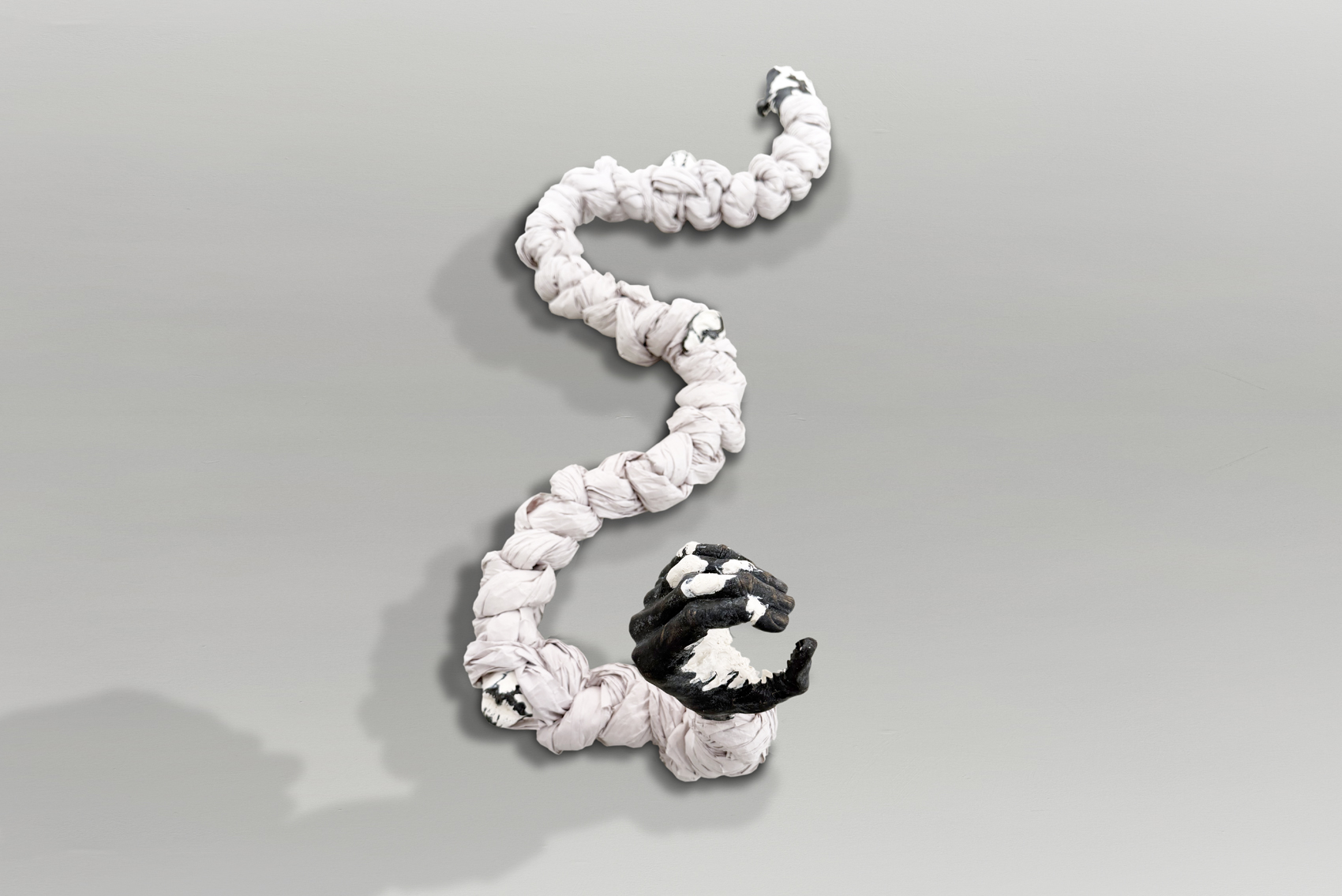
This sculpture forms part of a triptych—a series of wearable pieces. In this work, I embody and confront the layered complexities of immigration and what home means. The reclaimed boxes, transformed into luggage, echo the tangled relationships that come with migration and constant movement. These boxes—luggage/baggage—often become a constant, visible presence in the immigrant experience, prompting ongoing questions about where home truly resides.
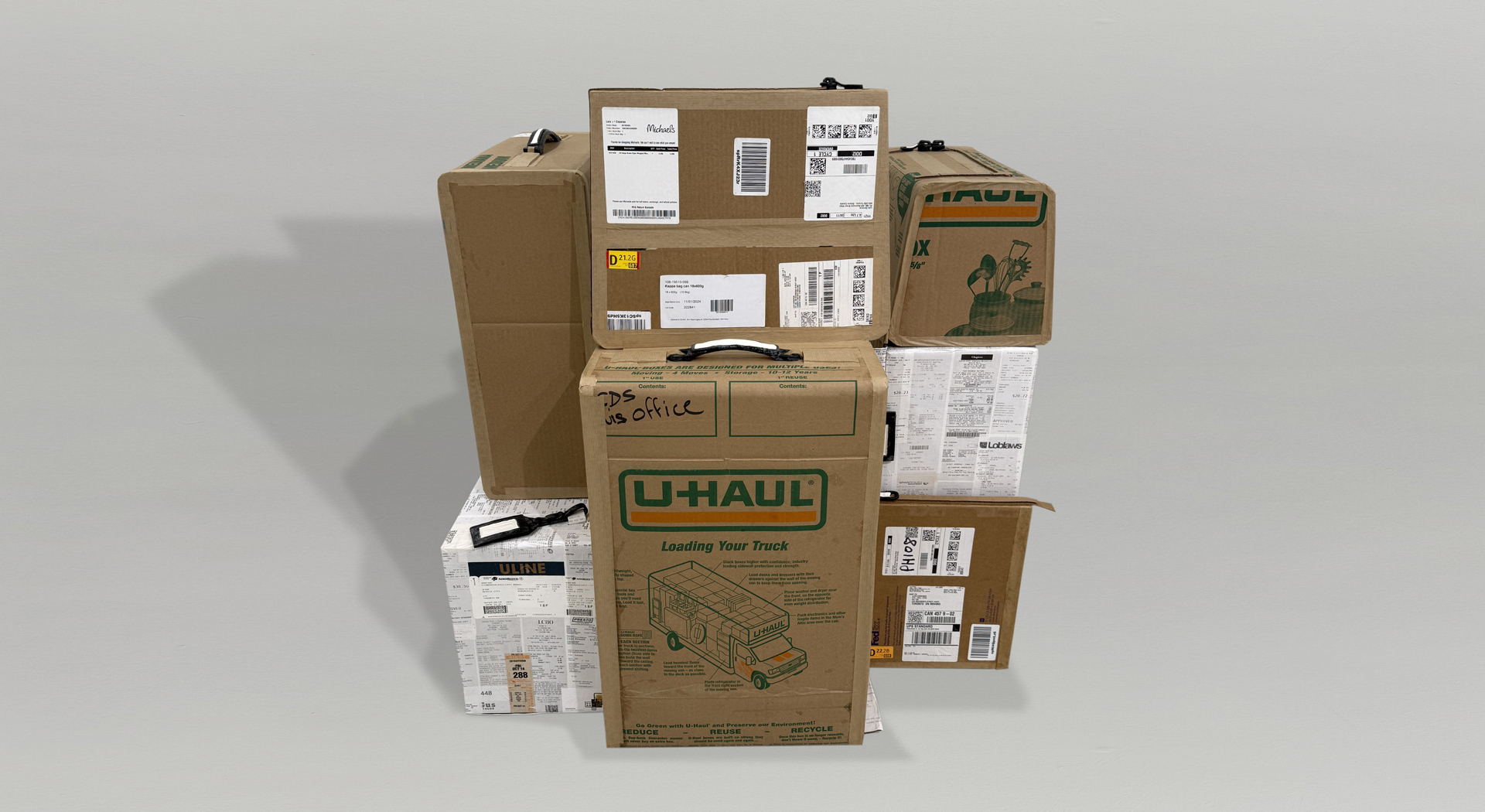
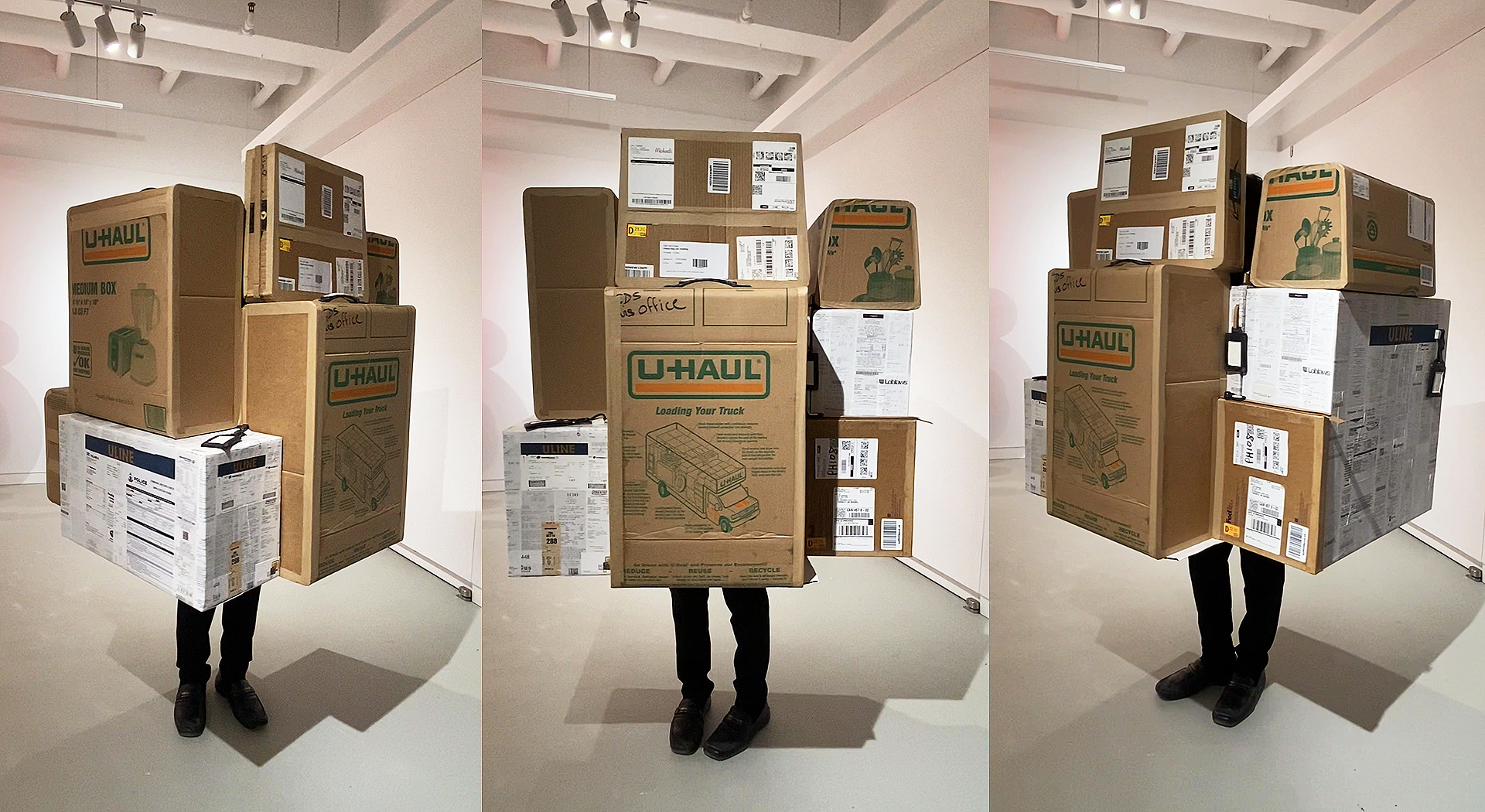
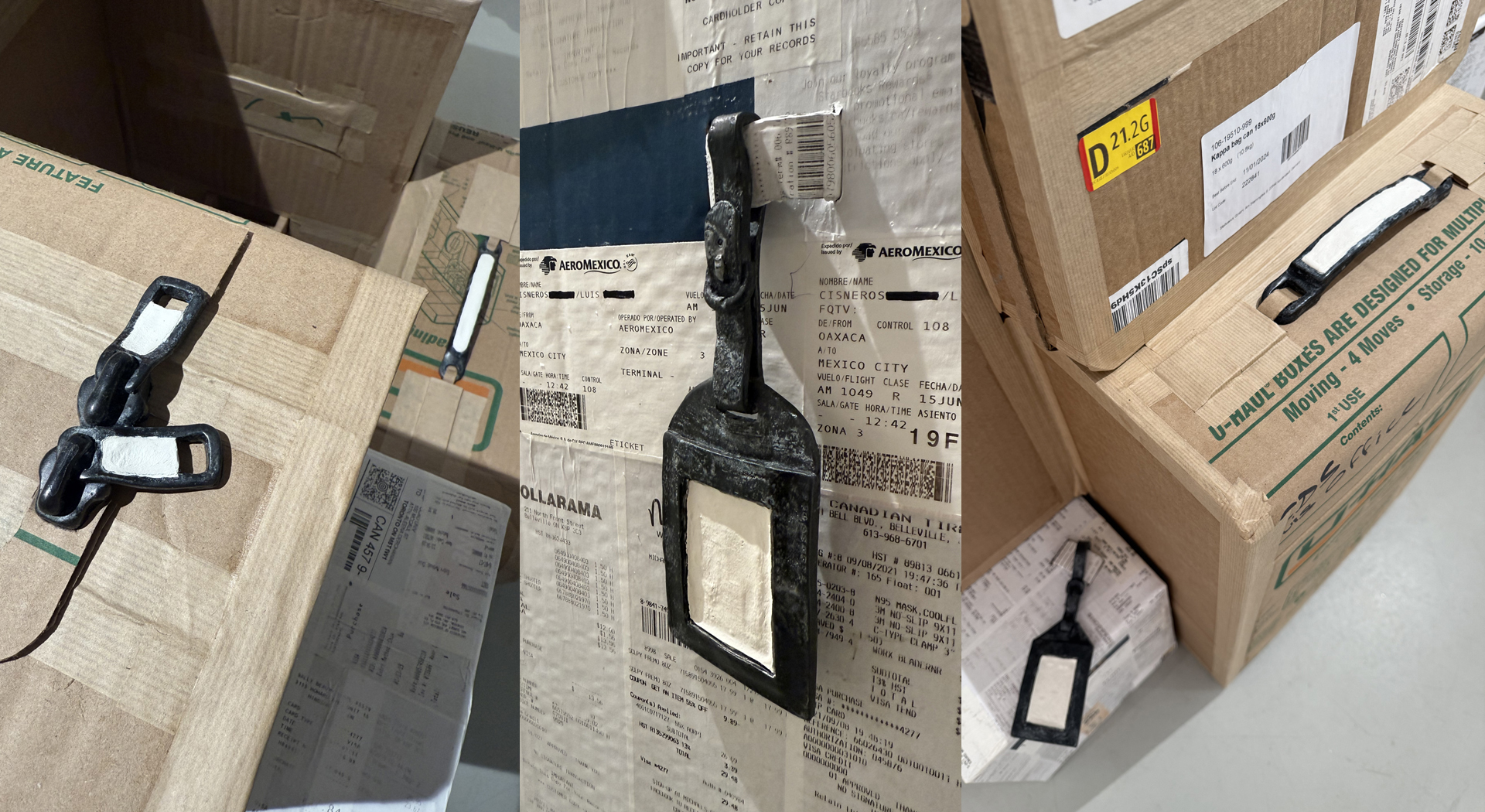
Inspired by Louise Bourgeois’s wearable sculptures, I use my work to examine how the body—and the perception of it—shifts between public and private spaces for migrants. By appropriating and reclaiming the word “baggage,” I focus on how migrant bodies perform, resist, and embody meaning through movement and presence.
Wearing the sculpture in public, and inviting others to do the same, I question when and how migrants become objects—when our bodies are seen, used, or judged in these spaces. I am especially interested in the ways racialized bodies are gazed upon, how they navigate objecthood, and how the gaze is internalized or pushed back against. As I create and perform with wearable sculpture, I’m exploring how internal experiences of embodiment become external, and how the audience’s gaze loops back to shape those experiences.
The entanglement between internal and external, public and private, is what the performative act of wearing the sculpture makes visible. By asking others to wear the piece, I invite them into the tension of navigating land, belonging to it, and being transformed—sometimes reduced—to a pile of baggage. The expression “immigrants carry their baggage” is always present for me, and I can’t help but wonder: is this what others see when they look at us?